

Cart
0
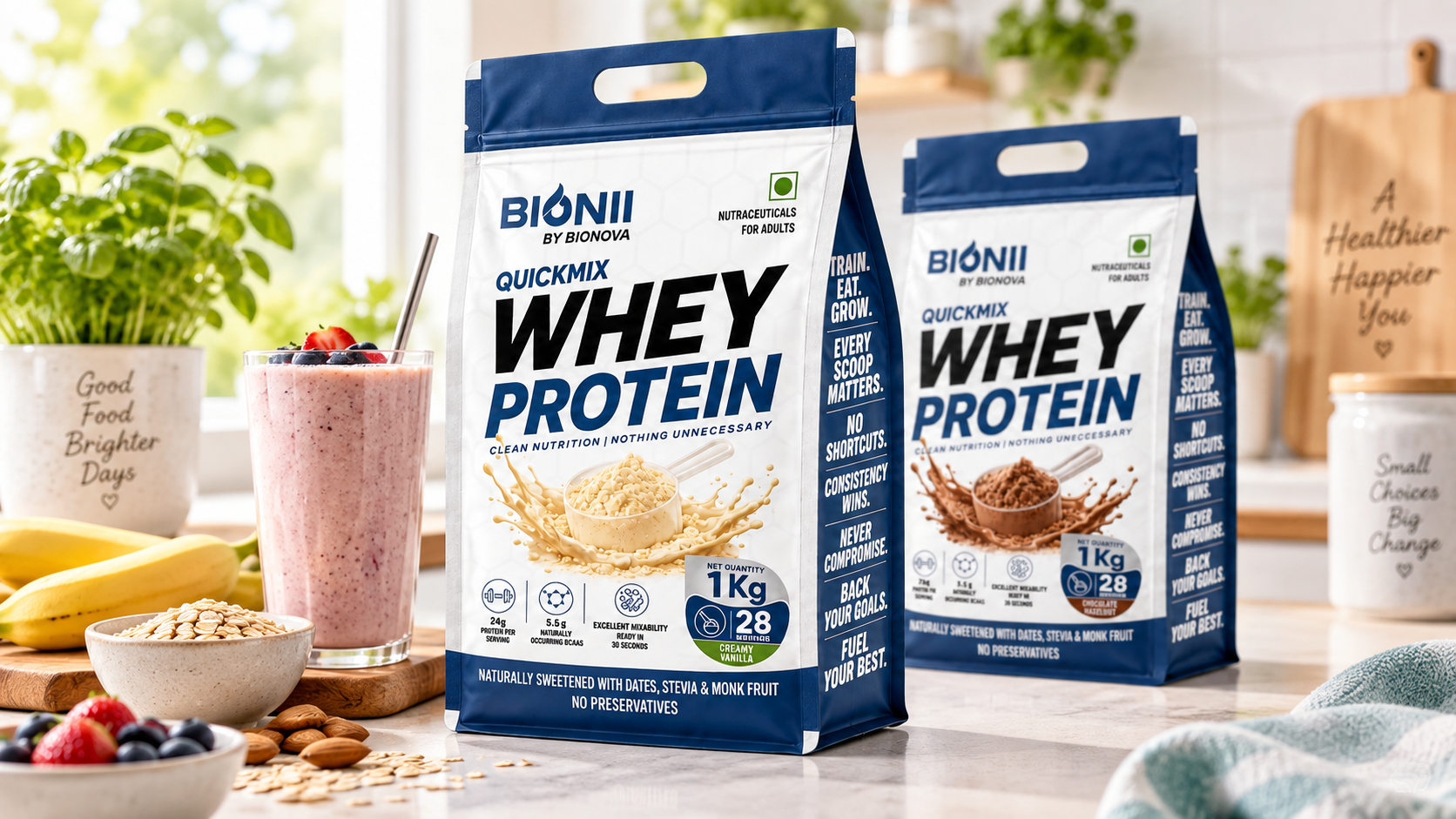
Protein powder has become a convenient way to increase daily protein intake, especially among people who exercise, want to build muscle, manage their weight or find it difficult to get enough protein from food.
But beginners often have an important question:
Does protein powder have side effects?
For most healthy adults, whey protein used in appropriate amounts is generally well tolerated. However, some people may experience bloating, gas, stomach discomfort, loose stools, acne breakouts or other symptoms, depending on their digestion, lactose tolerance, overall protein intake and the ingredients used in the protein powder.
There are also situations where increasing protein intake requires greater caution, particularly in people with existing kidney disease.
Here is what you should know before adding whey protein powder to your daily routine.
What Is Whey Protein Powder?
Whey is one of the major proteins found in milk. During cheese production, whey is separated from the milk solids and can then be processed into protein-rich powders.
Common forms include:
-
Whey Protein Concentrate (WPC): Contains whey protein along with varying amounts of lactose, carbohydrates and fat.
-
Whey Protein Isolate (WPI): More highly filtered and generally contains a higher percentage of protein with less lactose and fat.
-
Hydrolysed Whey Protein: Whey proteins that have been partially broken down into smaller peptides.
Whey protein provides all nine essential amino acids and is particularly rich in leucine, an amino acid involved in stimulating muscle protein synthesis.
For physically active adults, sports nutrition guidance commonly recommends total daily protein intake of around 1.4–2.0 g per kg of body weight, depending on training and individual requirements.
What Are the Most Common Protein Powder Side Effects?
Most protein powder side effects are related to digestion rather than the protein itself.
Possible symptoms include:
-
Bloating
-
Gas
-
Stomach discomfort
-
Loose stools or diarrhoea
-
Nausea
-
Feeling unusually full
-
Constipation in some people
-
Skin breakouts in susceptible individuals
The cause can differ from person to person.
1. Can Protein Powder Cause Bloating?
Yes, protein powder can cause bloating in some people, particularly when the product contains lactose.
Whey is derived from milk, and some whey protein products—especially whey concentrates—may retain lactose.
People who do not digest lactose efficiently can experience:
Bloating • Gas • Abdominal discomfort • Diarrhoea • Nausea
Lactose intolerance occurs when the small intestine produces insufficient lactase, the enzyme required to digest lactose. Undigested lactose reaches the colon, where bacteria ferment it and produce additional gas and fluid.
What can you do?
If a whey concentrate causes bloating, you may tolerate a whey protein isolate containing very little lactose more comfortably.
You can also try:
-
Starting with half a serving
-
Mixing protein powder with water instead of milk
-
Drinking it slowly rather than very quickly
-
Avoiding several protein shakes at once
-
Checking whether other ingredients may be causing digestive symptoms
Persistent digestive symptoms should not simply be assumed to be caused by whey. Conditions such as lactose intolerance, irritable bowel syndrome and other gastrointestinal disorders can produce similar symptoms.
2. Can Artificial Sweeteners in Protein Powder Cause Digestive Problems?
Sometimes—but the type of sweetener matters.
Many flavoured protein powders contain sweeteners to reduce added sugar and calories.
Certain products may also contain sugar alcohols, such as:
-
Sorbitol
-
Mannitol
-
Maltitol
-
Xylitol
-
Erythritol
Sugar alcohols are incompletely absorbed in the intestine and can cause gas, bloating or diarrhoea in some people, particularly when consumed in larger quantities.
This means that if you experience bloating after drinking a protein shake, the whey protein may not necessarily be the only cause.
Check the complete ingredient list rather than looking only at the protein content.
3. Does Whey Protein Cause Acne?
This is one of the most searched questions about whey protein.
The answer is:
Whey protein may be associated with acne in some susceptible individuals, but current evidence does not show that whey automatically causes acne in everyone.
Several observational reports and case reports have linked whey protein supplementation with acne development or worsening acne. More recent dermatology reviews continue to identify whey supplements as a possible dietary factor associated with acne.
However, the evidence is not completely one-sided.
A six-month double-blind randomized controlled trial in men with mild-to-moderate acne found that participants consuming 30 g of whey protein daily did not experience significantly worse acne outcomes than the non-whey group.
Therefore, it is more accurate to say that individual response varies.
What should you do if acne increases after starting whey?
Consider whether anything else changed at the same time, including:
-
Total dairy consumption
-
Diet
-
High-glycaemic foods
-
Exercise and sweating
-
Skincare routine
-
Supplements
-
Hormonal factors
If breakouts repeatedly appear after starting whey and improve when you stop it, discuss the pattern with a dermatologist or qualified healthcare professional.
4. Is Whey Protein Bad for Your Kidneys?
This question requires an important distinction between healthy kidneys and existing kidney disease.
In healthy adults
Available sports nutrition research does not establish that normal protein supplementation causes kidney damage in otherwise healthy, physically active adults.
The International Society of Sports Nutrition considers protein intakes around 1.4–2.0 g/kg/day sufficient for most exercising individuals, and studies in resistance-trained adults have also evaluated higher protein intakes without finding adverse changes in standard kidney or liver markers over the study periods.
That does not mean unlimited protein intake is desirable.
Your total intake should still be appropriate for your body weight, diet, activity level and health status.
If you already have kidney disease
The situation is different.
People with chronic kidney disease may need to control their total protein intake because the kidneys are responsible for removing waste products generated during protein metabolism. Protein requirements in CKD are individualized, and some patients are advised to moderate protein intake.
Therefore, people with kidney disease, impaired kidney function or a medically prescribed protein restriction should consult their doctor or renal dietitian before using whey protein supplements.
5. Can Too Much Protein Powder Be Harmful?
Protein powder should supplement your diet—not become your entire diet.
Taking more protein does not automatically mean more muscle.
Muscle development also depends on:
-
Resistance training
-
Adequate calories
-
Total daily protein
-
Sleep
-
Recovery
-
Overall nutrition
Large quantities of protein powder may also add unnecessary calories and displace whole foods that provide fibre, vitamins, minerals and other nutrients.
A typical sports nutrition approach is to distribute protein throughout the day rather than consuming very large amounts in a single shake.
For many exercising adults, approximately 20–40 g of high-quality protein per serving is commonly used, although requirements depend on body weight, age, diet and training.
6. Can Protein Powder Cause Constipation?
Protein powder itself does not necessarily cause constipation, but constipation may occur when someone dramatically increases protein intake while reducing:
-
Fibre-rich foods
-
Fruits
-
Vegetables
-
Whole grains
-
Fluids
This can happen when several protein shakes replace normal meals.
The solution is usually not simply to eliminate protein. Look at the entire diet.
Maintain adequate fluid intake and continue eating fibre-containing whole foods unless your healthcare professional has advised otherwise.
7. Can Whey Protein Cause Diarrhoea?
Yes, some people may experience diarrhoea after consuming whey protein.
Possible causes include:
Lactose intolerance: Especially with whey concentrate.
Large serving sizes: Taking much more than your digestive system comfortably tolerates.
Sugar alcohols: Some sweeteners can have a laxative effect.
Other additives: Individual tolerance to gums, flavourings and other ingredients can vary.
If diarrhoea repeatedly occurs after drinking a particular protein powder, stop using it temporarily and review the ingredients.
Severe or persistent diarrhoea should be evaluated medically rather than repeatedly managed by switching supplements.
8. Whey Protein Allergy vs Lactose Intolerance
These are not the same condition.
Lactose intolerance
Lactose intolerance is difficulty digesting the milk sugar lactose and primarily causes digestive symptoms such as gas, bloating and diarrhoea.
Milk protein allergy
A milk allergy is an immune reaction to milk proteins.
Whey itself is a milk protein, so a person with a true cow's milk protein allergy may react to whey protein even if the product contains very little lactose.
Possible allergic symptoms can include:
-
Hives
-
Itching
-
Swelling
-
Wheezing
-
Vomiting
-
Difficulty breathing
A person with a diagnosed milk protein allergy should not assume that whey protein isolate is safe simply because it is low in lactose.
Lactose-free does not mean milk-protein-free.
9. Does Whey Protein Affect the Liver?
For healthy people consuming reasonable amounts, whey protein is not generally regarded as inherently damaging to the liver.
However, research examining excessive or prolonged supplementation is more limited than research examining protein's benefits. Reviews have raised questions about very high or indiscriminate protein supplementation, particularly in people with underlying liver or kidney problems.
Anyone with known liver disease should discuss protein supplementation with their healthcare provider.
10. How to Reduce Protein Powder Side Effects
If you are new to whey protein, a few simple steps can improve tolerance.
Start gradually
Begin with half to one serving rather than suddenly consuming multiple shakes per day.
Check your total protein intake
Protein from eggs, dairy, pulses, meat, fish, soy and other foods also counts toward your daily protein requirement.
Choose the right type of whey
People sensitive to lactose may tolerate whey isolate better than whey concentrate.
Check the ingredient list
Look beyond the protein number. Review:
-
Added sugar
-
Sweeteners
-
Sugar alcohols
-
Flavours
-
Thickeners
-
Allergens
-
Serving size
Mix it appropriately
If milk causes digestive problems, mixing whey powder with milk can worsen symptoms. Try water instead.
Stay adequately hydrated
Especially when increasing total dietary protein and physical activity.
Don't replace your entire diet with shakes
Whole foods provide fibre and micronutrients that protein powder alone cannot replace.
How Much Whey Protein Is Safe Per Day?
There is no universal number of scoops that is right for everyone.
Your requirement depends on:
Body weight + activity level + training goal + protein from food + medical history
For exercising adults, approximately 1.4–2.0 g of total protein per kilogram of body weight per day is commonly considered sufficient for most individuals.
For example, a 70 kg active adult consuming 1.6 g/kg would target about:
70 × 1.6 = 112 g total protein per day
That 112 g includes all dietary protein, not 112 g of whey protein powder.
If food already provides 90 g, only the remaining amount needs to be considered.
Who Should Be Extra Careful With Whey Protein?
Speak with a healthcare professional before substantially increasing protein intake if you have:
-
Chronic kidney disease
-
Reduced kidney function
-
Liver disease
-
A diagnosed milk protein allergy
-
A medically prescribed protein-restricted diet
-
Persistent gastrointestinal symptoms
People taking supplements should also seek medical advice if they develop unusual or severe symptoms after starting a new product.
Frequently Asked Questions About Protein Powder Side Effects
Is it safe to drink whey protein every day?
For most healthy adults who tolerate dairy, whey protein can be used regularly as part of a balanced diet. The important factor is your total daily protein intake, not simply whether you drink one shake every day.
Why does protein powder make me bloated?
Common causes include lactose intolerance, taking a large serving at once, mixing whey with milk, or sensitivity to sweeteners and other ingredients.
Is whey protein isolate better for digestion?
Whey isolate usually contains less lactose than whey concentrate, so some lactose-sensitive individuals may tolerate it better. It is not suitable for someone with a true milk protein allergy.
Can whey protein cause pimples?
Some people report acne after consuming whey, and observational evidence suggests an association in susceptible individuals. However, randomized evidence does not show that everyone who consumes whey develops or worsens acne.
Does whey protein damage kidneys?
Current evidence does not establish that appropriate whey protein intake damages healthy kidneys. People who already have kidney disease may require controlled protein intake and should seek medical advice before using protein supplements.
Does protein powder cause weight gain?
Protein powder contains calories. It may contribute to weight gain if it causes your overall calorie intake to exceed your energy needs. Protein powder itself does not automatically cause either weight gain or weight loss.
Is one scoop of whey protein a day safe?
For most healthy adults, one standard serving is generally compatible with a balanced diet, provided it fits their total protein and calorie requirements and they tolerate the ingredients.
Is whey protein safe for beginners?
Yes, healthy beginners can generally use whey protein when they need additional dietary protein. Start with an appropriate serving and remember that supplements are intended to complement—not replace—a balanced diet.
The Bottom Line
Protein powder side effects are usually mild and often depend on the individual and the formulation rather than whey protein alone.
Bloating, gas and diarrhoea may be related to lactose or other ingredients. Acne may occur in some susceptible individuals, although research remains mixed. Current evidence does not support the common claim that normal whey protein use automatically damages healthy kidneys, but people with existing kidney disease may need to restrict or carefully manage protein intake.
Choose a protein powder based on its protein quality, ingredient transparency, digestive tolerance and manufacturing quality rather than simply choosing the product with the highest protein number.
And remember: whey protein is a convenient source of protein—not a substitute for a balanced diet.
This article is for general educational purposes and is not intended to diagnose, treat, cure or prevent any disease. Individuals with medical conditions should consult a qualified healthcare professional before making significant changes to their diet or supplement routine.
Scientific References
- Jäger R, Kerksick CM, Campbell BI, et al. International Society of Sports Nutrition Position Stand: Protein and Exercise. Journal of the International Society of Sports Nutrition. 2017;14:20. This position paper discusses protein requirements, including the commonly cited 1.4–2.0 g/kg/day range for exercising adults. View on PubMed
- Antonio J, Ellerbroek A, Silver T, et al. A High Protein Diet Has No Harmful Effects: A One-Year Crossover Study in Resistance-Trained Males. Journal of Nutrition and Metabolism. 2016;2016:9104792. The study evaluated high protein intake and reported no harmful changes in measured kidney or liver function markers in the healthy resistance-trained participants studied. View on PubMed
- Sompochpruetikul K, Khongcharoensombat T, Chongpison Y, et al. Whey Protein and Male Acne: A Double-Blind, Randomized Controlled Trial. Journal of Dermatology. 2024;51(7):1022–1025. This six-month trial found that whey supplementation did not significantly worsen acne compared with the non-whey group, supporting cautious wording around the whey–acne relationship. View on PubMed
- National Institute of Diabetes and Digestive and Kidney Diseases (NIDDK). Symptoms & Causes of Lactose Intolerance. Explains how lactose malabsorption can lead to bloating, gas, diarrhoea, nausea and abdominal discomfort, which is relevant to whey products containing lactose. View NIDDK Reference
- National Institute of Diabetes and Digestive and Kidney Diseases (NIDDK). Healthy Eating for Adults with Chronic Kidney Disease. Explains why people with CKD may need individualized protein intake and should work with healthcare professionals or dietitians. View NIDDK Reference
- U.S. Food and Drug Administration (FDA). Interactive Nutrition Facts Label: Sugar Alcohols. Notes that some sugar alcohols are incompletely absorbed and may cause gas, bloating and diarrhoea in susceptible individuals. View FDA Reference
- Mayo Clinic. Milk Allergy – Symptoms & Causes. Explains the distinction between lactose intolerance and milk allergy and identifies whey as one of the proteins in cow's milk capable of causing allergic reactions. View Mayo Clinic Reference


