

Cart
0
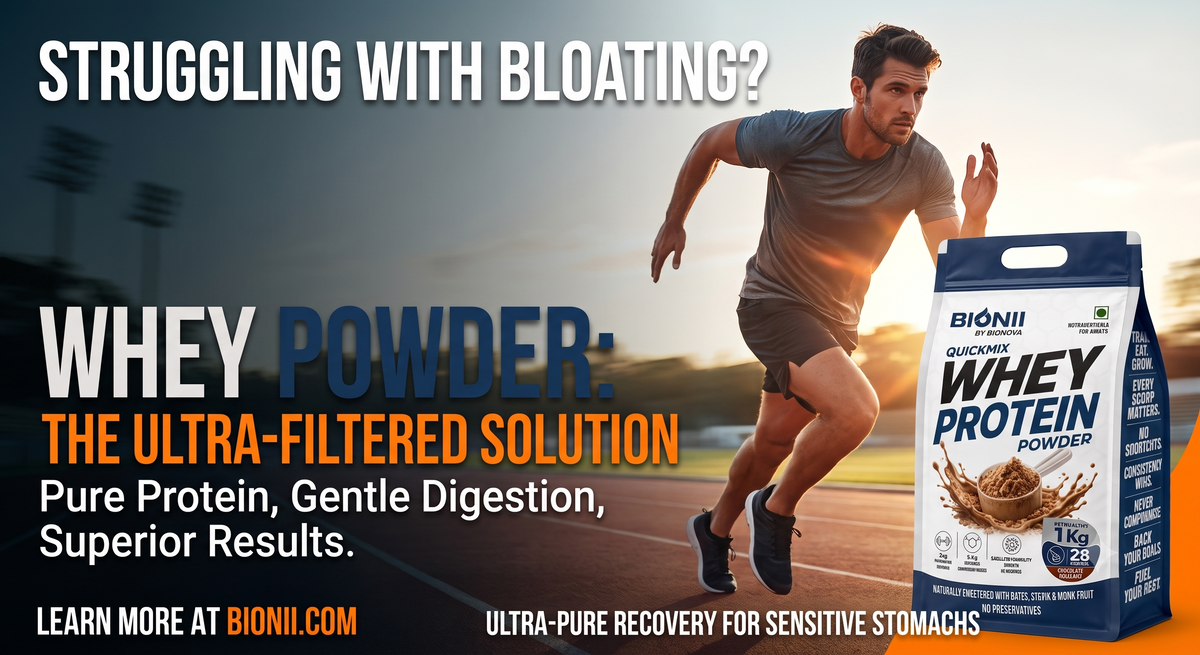
Whey Protein Isolate vs Concentrate: Which Is Truly Easier to Digest?
Few things ruin post-workout recovery faster than stomach cramps, bloating, or heavy indigestion from a protein shake. For active individuals with sensitive stomachs or mild dairy intolerances, choosing between Whey Protein Isolate (WPI) and Whey Protein Concentrate (WPC) isn't just a matter of macros—it's the difference between smooth recovery and severe gastrointestinal distress.
Both forms originate from cow’s milk as liquid byproducts of the cheese-making process, but different filtration stages significantly alter how your gut handles them.
How Processing Changes Digestion: Isolate vs Concentrate
The primary reason one powder causes digestive trouble while another settles effortlessly comes down to how heavily the liquid whey is filtered:
-
Whey Protein Concentrate (WPC): Produced through microfiltration, concentrate typically contains between 70% and 80% protein by weight. The remaining 20% to 30% consists of naturally occurring milk sugars (lactose), milk fats, and minerals. Because it undergoes less intensive processing, it retains beneficial bioactive peptides and an indulgent, creamy texture—along with a measurable amount of lactose.
-
Whey Protein Isolate (WPI): Undergoes cross-flow microfiltration or ion-exchange chromatography to strip away nearly all non-protein components. The result is a powder that is 90% or more pure protein by weight, with virtually all fat and lactose removed.
The Root Cause of Digestive Discomfort: Lactose
Lactose intolerance affects an estimated 60% to 70% of the global adult population to varying degrees. The body digests lactose using an enzyme called lactase, produced in the small intestine. When lactase levels are insufficient, undigested lactose moves into the large intestine, where gut bacteria ferment it, creating hydrogen, methane, carbon dioxide, and water retention.
The symptoms are immediate and familiar:
-
Abdominal distension and visible bloating
-
Stomach rumbling and sharp cramps
-
Excessive gas
-
Sudden bowel urgency or nausea
Because Whey Protein Isolate contains less than 1% lactose per serving (and often less than 0.5 grams), it rarely triggers symptoms in people with mild to moderate lactose sensitivity. Concentrate, on the other hand, contains around 2 to 4 grams of lactose per serving—enough to trigger distress in sensitive digestive tracts.
Direct Comparison: Digestion, Purity, and Performance
| Metric | Whey Protein Isolate (WPI) | Whey Protein Concentrate (WPC) |
| Protein Content | 90%+ | 70% – 80% |
| Lactose per Serving | < 1% (< 0.5g) | ~2g – 5g |
| Digestive Speed | Rapid (under 45 minutes) | Moderate (1 to 2 hours) |
| Bloating Risk | Very Low | Moderate to High (for lactose-sensitive guts) |
| Texture & Flavor | Light, thin, neutral | Rich, creamy, milkshake-like |
| Fat & Carbohydrates | Near zero | 2g – 4g fat, 2g – 4g carbs |
| Best For | Sensitive stomachs, lean cuts, immediate post-workout | Daily nutrition, baking, budget-conscious lifters |
Other Hidden Triggers Behind Protein Bloating
If you switch to an isolate and still experience stomach distress, the protein source itself may not be the culprit. Many commercial protein blends include additives that compromise gut comfort:
-
Artificial Sweeteners (Sucralose, Acesulfame Potassium): These synthetic compounds can disrupt normal gut microbiota and slow digestion.
-
Sugar Alcohols (Erythritol, Maltitol, Sorbitol): Frequently added to reduce calories, polyols draw excess water into the bowel and ferment quickly, causing sudden distress.
-
Gums and Thickeners (Xanthan Gum, Guar Gum, Carrageenan): Added to mimic thickness, excessive gum content can cause gas retention and sluggish transit times.
-
Low Mixability / Clumping: Powders that fail to dissolve completely leave concentrated clumps in the stomach, delaying gastric emptying and increasing nausea.
Which One Should You Choose?
Choose Whey Protein Isolate if:
-
You regularly feel bloated, gassy, or sluggish after drinking dairy or standard protein shakes.
-
You are on a strict low-carb or ketogenic regimen where every gram of sugar matters.
-
You want rapid amino acid delivery directly after an intense training session.
-
You prefer a light, refreshing shake rather than a heavy, dessert-style drink.
Choose Whey Protein Concentrate if:
-
You drink milk and eat dairy products with zero digestive discomfort.
-
You want a budget-friendly protein source for everyday shakes, smoothies, and oats.
-
You prioritize a richer, creamier mouthfeel over absolute macro purity.
Optimizing Digestion for Maximum Absorption
For the smoothest digestion, always mix your powder with room-temperature water or an unsweetened plant-based milk rather than whole dairy milk, which reintroduces lactose back into the shake. Look for formulations with minimal ingredient lists—prioritizing natural sweeteners like stevia or monk fruit, zero unnecessary fillers, and ultra-filtered protein bases that dissolve within 30 seconds without clumping.


